
Mistfall Hunter review | Updated August 2026
Mistfall Hunter Review: Is It Worth Buying on Steam?
This practical Mistfall Hunter review weighs the extraction loop, class learning curve, Steam price, player activity, and who should buy.
Quick verdict: a promising extraction ARPG for the right player
Our Mistfall Hunter review verdict is conditional: the game is worth considering if you enjoy extraction PvPvE, repeated runs, risky gear decisions, and learning a role through play. It is not an easy recommendation for someone looking for a short single-player campaign or a fixed, low-stress progression path. The useful question is not whether the game is universally good. It is whether its loop gives you a reason to return after a successful extraction and a reason to try again after losing a kit.
Mistfall Hunter has a strong starting point for players who like making decisions under pressure. You choose a route, read danger, decide when to fight, and weigh the value of staying longer against the value of leaving with what you have. That structure makes class choice matter, because a forgiving frontline role changes the kinds of mistakes you can survive while a burst or control role asks for cleaner timing.
The main caution is freshness. Early advice can change as players discover routes, balance shifts, and the Steam community forms a clearer view of matchmaking and performance. Treat this as an independent decision guide, not an official tier list or a promise of a permanent meta. Check the live Steam page, recent reviews, and your own PC compatibility before paying.
Mistfall Hunter review at a glance
| Question | Review answer | Why it matters |
|---|---|---|
| What kind of game is it? | Extraction PvPvE ARPG | Runs combine combat, route choices, loot risk, and an extraction decision. |
| Who is the best fit? | Players who enjoy repeatable high-stakes runs | The core appeal comes from decisions and learning, not a one-time story finish. |
| Is it beginner-friendly? | Yes with the right class, but not frictionless | Mercenary or Withered Knight can reduce early punishment while you learn the loop. |
| Should you buy immediately? | Only after checking live Steam facts | Price, reviews, requirements, and activity can change after launch. |
| What is this site's stance? | Independent fan guidance | Class recommendations are editorial and separate from official Steam facts. |
What the Mistfall Hunter game loop asks of you
An extraction game asks you to manage an incomplete plan. You enter with a goal, but the route, enemies, loot, and other players can force a new decision. The most valuable skill is often knowing when a small gain is enough. Staying for one more chest or fight may improve the run, but it can also turn a safe exit into a lost loadout. That tension gives the game its identity and also explains why the first hours may feel less comfortable than a conventional action RPG.
The loop rewards information as much as mechanical execution. You need to recognize when a fight is favorable, when your class has its strongest window, and when your squad has already spent the resources needed to continue. A good build therefore is not only a damage list. It is a plan for positioning, recovery, disengagement, and the kind of risk your group can communicate clearly.
Solo and squad play can feel like different products. Solo runs place more weight on self-recovery, information, and mistakes you can correct alone. A coordinated squad can turn control, anchoring, and scouting into shared safety, but it also creates a communication burden. Before judging the game, play enough sessions in the format you actually intend to use. A class or mode that feels awkward in a random group may feel excellent with friends.
Classes and the learning curve
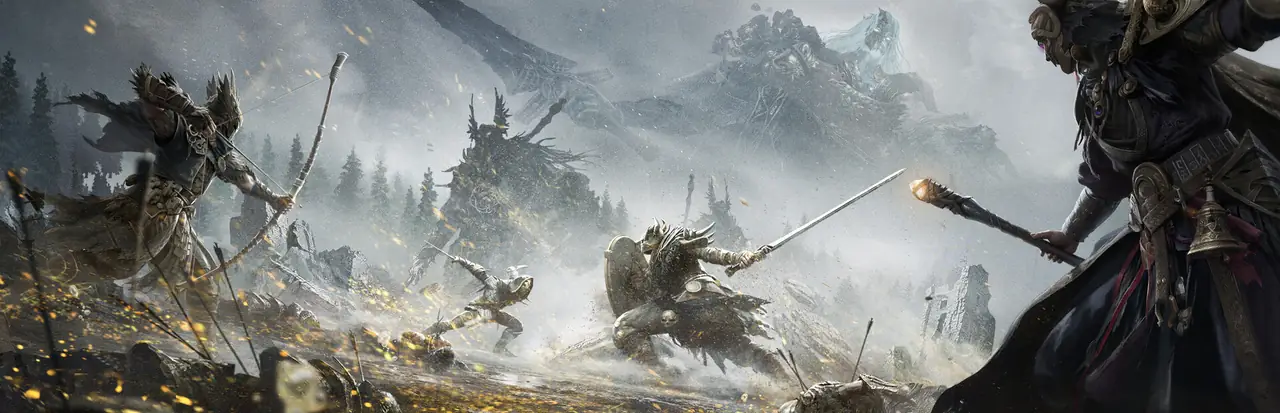
The class system is one of the site's strongest reasons to review Mistfall Hunter through player fit rather than a single winner. Mercenary offers a clearer frontline pattern and is a sensible first stop for players who need room to make mistakes. Withered Knight adds durability and space control for players who want to anchor a group. These choices may not produce the biggest highlight moments, but they make the game's decision language easier to read.
Blackarrow, Shadowstrix, and Sorcerer ask for more deliberate timing. Blackarrow rewards range, scouting, and choosing when to apply pressure. Shadowstrix can create strong ambush and disengage moments, but its mistakes are exposed quickly. Sorcerer offers burst and area control while asking the player to understand positioning and cooldown windows. Seer sits on the utility side of the spectrum: its value rises when information, control, and safer squad calls matter more than personal damage.
For a first session, use the class guide and build planner as a starting map, not a command. Pick one job you can describe in a sentence, then test whether the class actually helps you survive and communicate. If two recommendations are close, treat them as a tie and choose the role your squad lacks. That approach remains useful even when a future patch changes individual values.
Who should start with which class?
| Player need | Good starting direction | Tradeoff to understand |
|---|---|---|
| First solo sessions | Mercenary | Safer mistakes, but less burst spectacle. |
| Squad anchor | Withered Knight | You trade some damage for space and durability. |
| Range and scouting | Blackarrow | Positioning and patience matter more than face-tanking. |
| Aggressive flanks | Shadowstrix | High payoff comes with a sharper punishment curve. |
| Area pressure or utility | Sorcerer or Seer | Choose between burst control and team information. |
Strengths, tradeoffs, and what to verify
The strongest part of Mistfall Hunter is the decision density. Even a short run can ask you to compare time, noise, equipment value, enemy pressure, and the needs of the next fight. That makes a successful extraction feel earned rather than automatic. The class planner supports this strength because it frames a role around solo, duo, or squad conditions instead of pretending that one score fits every player.
The tradeoff is that the game can feel demanding before its habits become familiar. If you dislike losing progress, cautious exits, or repeating a route to improve your read of it, the central loop may feel like friction. If you enjoy studying patterns and turning a failed run into a better plan, the same friction becomes the reason to return. Neither response is a skill issue; it is a fit question.
Before buying, verify four live details: the current Steam price in your region, recent user-review direction, PC requirements and performance reports, and the player activity during your normal play time. The existing price and player-count guides cover those checks in more detail. The review should help you decide what to inspect, not replace the official store page or current community evidence.
How to use this review before buying
Start with the format you will actually play. If you will mostly queue solo, read the solo sections of the class guide and use a forgiving recommendation as your baseline. If you will play with friends, compare the jobs your group already has and use the build planner to test a missing role. This avoids buying for an imagined meta while ignoring the way your own group communicates.
Next, separate stable facts from changing signals. Developer, publisher, platform, and store identity belong to the official Steam listing. Price, reviews, queue feel, and class strength are time-sensitive. A review can explain how to interpret those signals, but it should date its assumptions and avoid turning one early impression into a permanent verdict.
The short conclusion is simple: buy when the extraction loop itself sounds appealing, your system is supported, and the live Steam evidence matches your expectations. Wait when you are only reacting to launch momentum, a discount countdown, or a claimed best class. That decision rule is more durable than a numeric rating and leaves room for the game to improve or change.
Buy now, wait, or skip?
| Your situation | Practical choice | Reason |
|---|---|---|
| You already enjoy extraction PvPvE | Consider buying after live checks | The core loop is likely aligned with your taste. |
| You want a relaxed campaign | Wait or skip | Loss risk and repeated runs may feel like the wrong structure. |
| You have a fixed squad | Check class coverage first | Role fit can turn the same game into a better group experience. |
| Your PC or region is uncertain | Wait | Confirm requirements, regional price, and current reviews. |
| You are chasing a temporary meta | Do not rush | Early class advice can move with patches and new evidence. |
Mistfall Hunter review FAQ
Is Mistfall Hunter worth buying?
It is worth considering when you enjoy extraction PvPvE, repeatable runs, and making risk decisions under pressure. Check the live Steam price, requirements, recent reviews, and player activity before buying.
Is Mistfall Hunter good for solo players?
It can be, but solo places more weight on self-recovery, information, and forgiving class choices. Mercenary is a practical starting point; test the class before treating the recommendation as final.
What is the best class for a new player?
Mercenary is the clearest low-risk starting direction in this site's model. Withered Knight is another sensible option for players who prefer a durable squad role.
Does this review give an official score?
No. It is an independent fan review and decision guide. A fixed score would hide how much the answer depends on mode, class preference, PC setup, and current balance.
Where should I check current price and player count?
Use the official Steam listing for the regional price and product facts, then use a live SteamDB chart as a third-party activity signal. The site's price and player-count guides explain what to compare.
Will this review stay accurate after patches?
The decision framework should remain useful, but class strength, performance, queue timing, and value can change. Recheck official patch information and recent player evidence before relying on old details.