
Encounter guide | Evidence checked October 24, 2026
Mistfall Hunter Harpy Guide: Identify, Fight & Extract
A practical Mistfall Hunter Harpy guide with source checks, encounter preparation, group-size decisions, and extraction planning. Unverified mechanics stay labeled.
Quick answer: verify the encounter before you commit
A useful Mistfall Hunter Harpy guide starts with one caution: public sources do not currently establish a fixed Harpy spawn, a complete move list, or a dependable drop table. Treat a Harpy report as a clue to verify in your current run, not a promise that a particular room or route will work every time.
Before engaging, read the target name and visible threat indicators, check your return route, and agree on a reason to leave. If you cannot confirm the target or explain what the fight adds to the run, keep scouting. This guide separates published facts from community reports, then gives a repeatable way to observe, fight, and extract without relying on invented timings or damage values.
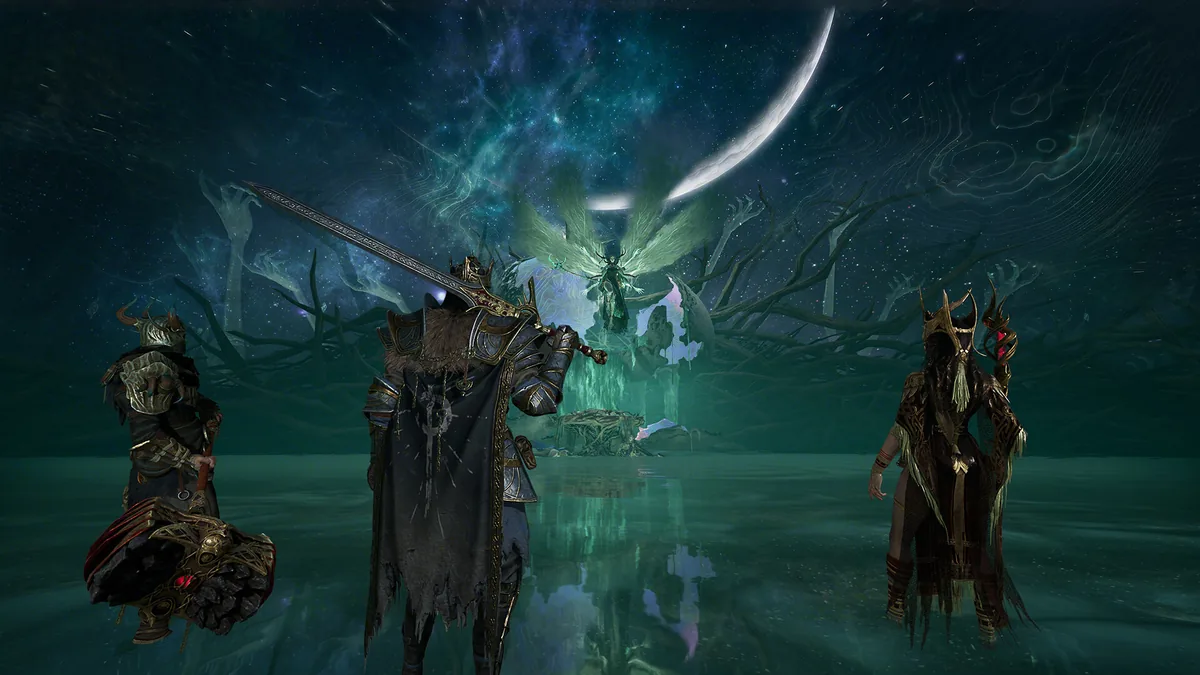
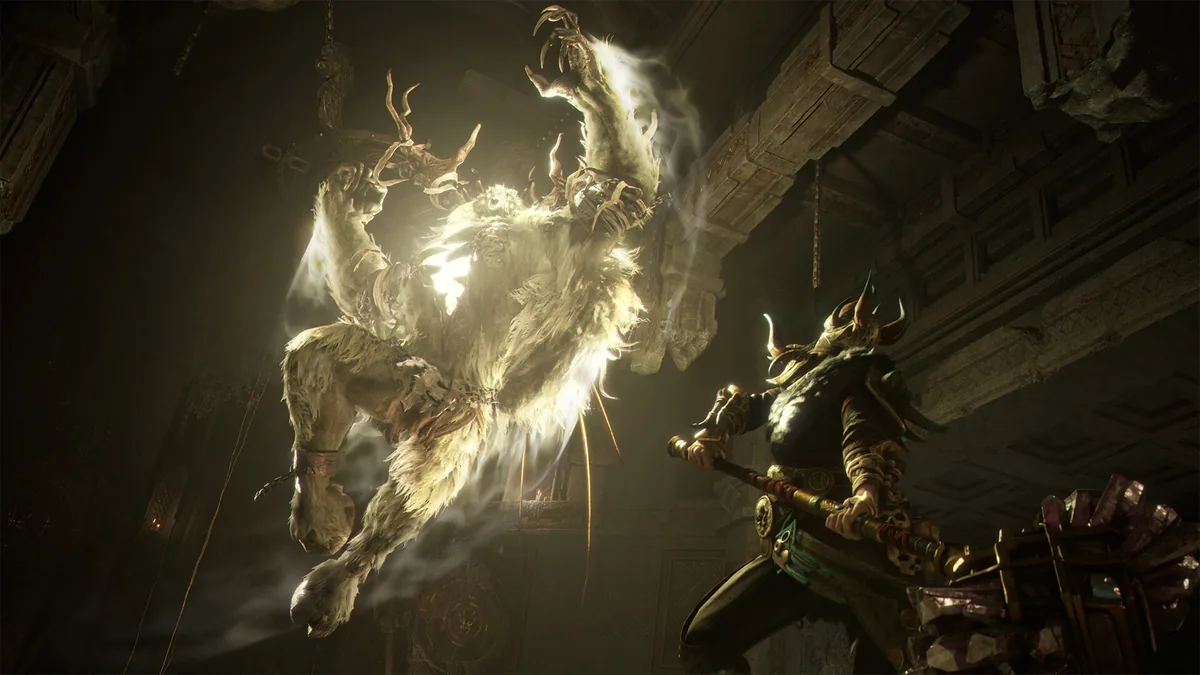
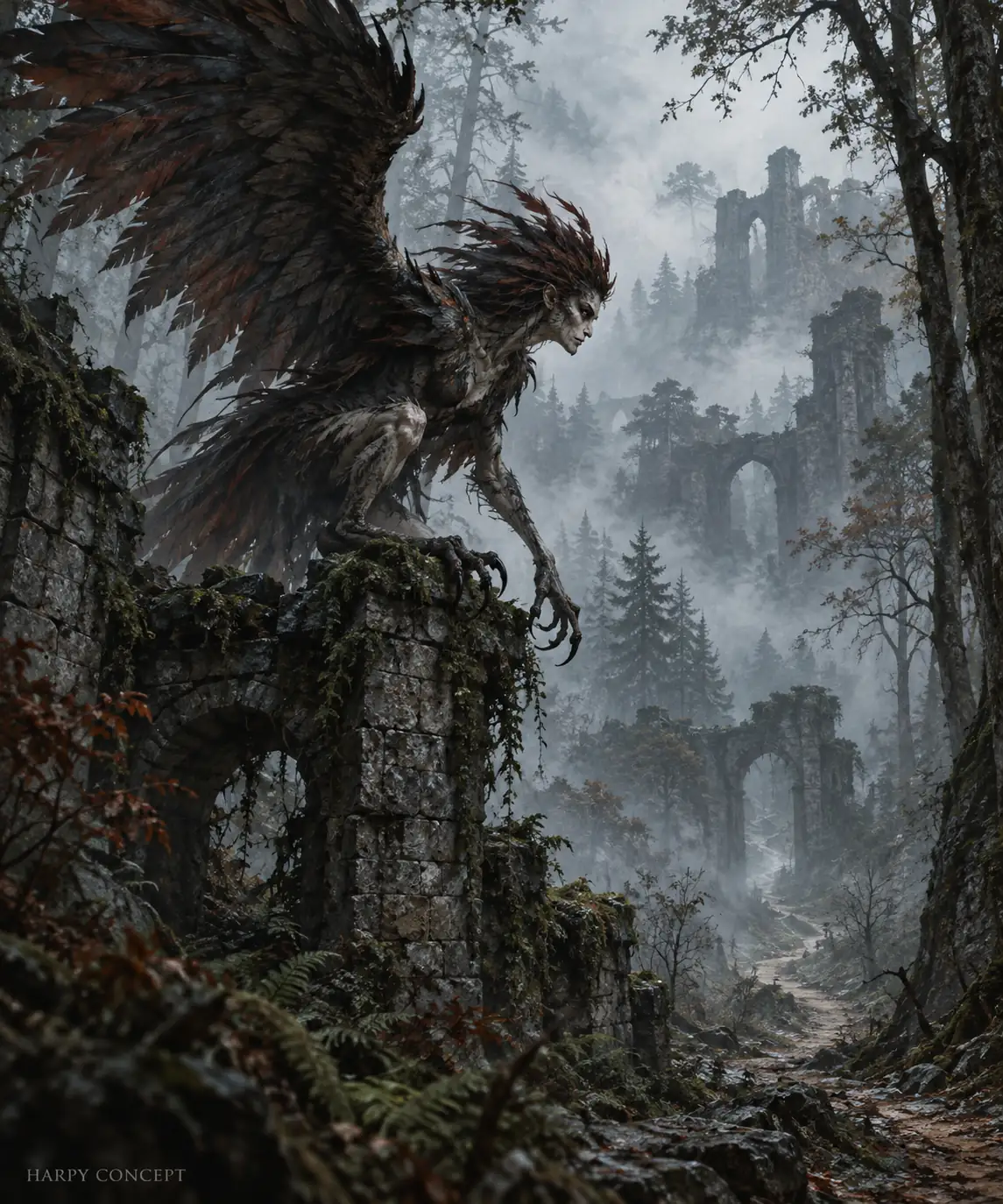
Two Steam store images below show general Mistfall Hunter encounter scenes. Neither image identifies a Harpy. The separate concept illustration is labeled as editorial art and is not a game screenshot, official creature design, or proof of an in-game move.
What is verified about a Mistfall Hunter Harpy?
Official material and its limits
The official Steam product page describes Mistfall Hunter as an extraction action RPG and provides first-party game information and a media gallery. The material reviewed for this brief did not publish a Harpy-specific enemy sheet, fixed map coordinate, current attack timings, health values, or reward list. Those absences matter: a genre description or unrelated monster screenshot cannot prove a specific enemy mechanic.
For platform or game-level facts, use the official store and developer site linked below. For a Harpy claim, look for a dated first-party patch note, an in-client codex entry, or a reproducible current-client observation. Until one exists, state exactly what was observed and avoid turning a single clip into a universal rule.
Community reports are leads, not guarantees
A dedicated third-party Harpy guide describes the enemy and discusses location, close-range pressure, PvP interference, and rewards. It is useful evidence of the questions players ask, but it is not a developer source. Its descriptions should be treated as community-reported unless they can be matched to current official material or repeated in-game tests.
A short clip can omit the run conditions that explain what happened: map variant, mode, patch, group size, gear, prior damage, or whether another player intervened. When two reports disagree, do not select the more confident sentence. Record the difference, date, and source type, then keep the practical recommendation conservative.
Classification, location, and rewards need separate proof
Players may call a difficult enemy a boss, elite, or Harpy based on its appearance or the challenge it presents. Those labels are not interchangeable. Check the name shown by your current client and distinguish an enemy category from a player's shorthand. No official evidence reviewed here confirms a permanent Harpy waypoint or a guaranteed reward table.
Do not promise a farm route, exact loot, or a special boss-room rule unless a current source supports it. A report that someone found the creature in one area only confirms that encounter, not that the location is fixed. The evidence table below shows how to use a claim without presenting it as settled fact.
Evidence status and the practical response
| Question | Current evidence | Useful response |
|---|---|---|
| Is Harpy an official enemy name? | Community guides use the label; no Harpy-specific official entry was found in the reviewed materials. | Read the in-client name and note the source before using the label. |
| Where does it spawn? | No fixed coordinate or guaranteed route was verified. | Log the map, mode, date, and nearby landmark from your own run. |
| What attacks does it use? | Third-party descriptions are not an official current move list. | Observe one action at a time; do not assume an old clip matches the current build. |
| What does it drop? | No dependable first-party drop table was found. | Do not risk a valuable run solely for an unverified reward claim. |
| Can a group size change the fight? | No public, current scaling rule was verified for Harpy. | Treat solo, duo, and squad as different risk profiles, not confirmed scaling tiers. |
How to locate and identify the Harpy in your current run
Start with the current client, not a remembered coordinate
Enter with a route that leaves room to inspect rather than forcing a fight on the first possible contact. Use the map guide to understand extraction choices, but do not read any general map marker as a Harpy guarantee. A useful location note includes the map or variant, mode, approximate landmark, time in the run, and whether the encounter repeated on a later visit.
When you see a possible Harpy, pause outside immediate danger and capture the exact name or threat marker if the game exposes one. Compare the silhouette and actions only after checking that the label refers to the same target. Similar-looking enemies, elite variants, and boss encounters can produce misleading notes when they are grouped under one informal nickname.
Use a small observation log
Record a few fields after each encounter: date and client version if visible, map area, number of players, what the target did first, how you responded, whether another team appeared, and what happened on extraction. Separate direct observation from inference. For example, “the target moved after I crossed the bridge” is stronger than “the bridge causes a spawn” after one run.
Change one condition at a time when it is safe to compare runs. If you change route, party size, gear, and timing together, you cannot tell which difference mattered. A handful of notes does not prove a universal spawn rule, but consistent, dated observations can show whether a community tip still deserves testing.
How to prepare for a Harpy encounter
Before contact: set the value and the exit
Choose a specific objective before you close distance: identify the enemy, test one behavior, or take a fight only if it supports the run. Check your health, recovery tools, equipment value, and the nearest extraction options. If the only plan is “see what happens,” use a low-cost learning run and decide beforehand what loss you accept.
Tell your group what ends the attempt. A separated teammate, depleted recovery resource, second hostile group, unclear exit, or a target you cannot positively identify can each be a stop signal. This is a player safety rule for the run, not a claim about a scripted Harpy phase or a guaranteed room lock.
During contact: observe before repeating an action
Do not build a timing guide from an unverified animation description. Watch for the target's wind-up, movement direction, recovery, and distance, then respond to what is visible in your own client. If you are unsure whether an action is a lunge, kick, or area attack, create space and reset your view instead of spending every dodge on a guess.
Keep a way to disengage. Avoid standing between the target and the route your group needs, and do not chase it into a narrow corner when the rest of the team cannot see the approach. The class guide and builds guide can help you choose a role you already understand; they do not establish that one class counters Harpy in every patch.
After a change or failed read: reset rather than force it
If the target behaves differently from the report you followed, stop repeating the same response. Recheck the target label, look for a second threat, and decide whether the new information is worth another exchange. A failed dodge or lost line of sight is a reason to reassess position, not evidence that a particular attack always tracks or always misses.
Keep the guide patch-aware without inventing a version history. Revisit first-party notes and current-client observations before changing a claim. When no dated evidence is available, describe the method as a general encounter checklist and say that its mechanic details remain unverified.
Choose a risk plan for solo, duo, or squad play
| Format | Main advantage | Main risk | Before engaging |
|---|---|---|---|
| Solo | One clear decision-maker and no coordination delay. | You must scout, fight, monitor the route, and extract alone. | Choose a low-cost learning goal and preserve a retreat route. |
| Duo | One player can watch the approach while the other acts. | A split or downed teammate removes much of the pair's flexibility. | Agree who watches, who calls retreat, and when to stop. |
| Squad | Roles and attention can be shared across the group. | Noise, separation, and conflicting calls can make the fight harder to leave. | Name one caller and set a simple regroup or disengage signal. |
PvPvE pressure and the extraction decision
Treat the fight as a route event
A PvE encounter uses time and attention that could otherwise go to navigation or watching for players. There is no verified Harpy-specific sound radius in the reviewed sources, so do not claim that a fight always attracts a third party. The practical point is narrower: while everyone focuses on one target, someone may notice the approach later.
Before the first exchange, decide who watches the approach and which exit remains realistic. If the encounter takes longer than expected, the party is split, or a new team appears, the value of continuing can fall quickly. Use the PvP guide for broader player-contact choices and keep this Harpy page focused on the enemy claim boundary.
Leave with a useful note, not just a result
After a successful fight or a retreat, write down what was actually learned: target label, observed behavior, route condition, group size, and whether the exit stayed open. Mark assumptions explicitly. “We left through the eastern extraction” is a run record; “east is always safe after Harpy” is a conclusion that needs repeated evidence.
If the fight yielded no verified reward or repeatable location, that is still useful. It prevents the next run from treating hearsay as a guaranteed farm. A practical guide should help you decide when to stop, not pressure you into staying until every uncertain question has an answer.
Mistfall Hunter Harpy FAQ
Where is the Mistfall Hunter Harpy location?
No fixed, first-party Harpy location was verified in the sources reviewed for this guide. Use community map or route reports as leads, then log your own map, mode, landmark, and date rather than promising a permanent spawn.
Is the Harpy a boss in Mistfall Hunter?
The reviewed official material did not confirm a Harpy-specific classification. Check the enemy name and category shown in your current client; community use of “boss” or “elite” should not be treated as an official label.
How do I beat a Mistfall Hunter Harpy?
There is no verified universal move script here. Identify the target, observe its approach and recovery, preserve a disengage route, and stop if the behavior or team situation changes. Treat reports of a kick or aerial pressure as community observations until verified in the current client.
What does the Mistfall Hunter Harpy drop?
No dependable first-party Harpy drop table was found. Do not risk an expensive run for a promised item based only on an old clip or an undated community post.
Can you solo a Harpy?
Whether a solo attempt is sensible depends on your equipment, familiarity, route, and acceptable loss. The sources do not establish a guaranteed solo strategy; start with a low-cost objective and keep extraction available.
Do Harpy attacks or spawns change after updates?
They may change with game updates, but this guide does not claim a specific change without dated evidence. Recheck official notes and current-client observations before relying on older clips or route advice.